
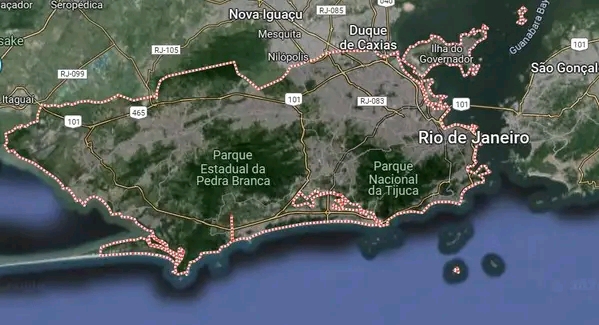
- Rio de Janeiro, often simply referred to as Rio, is the second-largest city in Brazil and one of the most visited cities in the Southern Hemisphere.
- The city is famous for its breathtaking landscapes, including the iconic Christ the Redeemer statue atop Corcovado Mountain, which is one of the New Seven Wonders of the World.
- Rio is known for its annual Carnival, which is one of the largest and most famous street festivals globally, attracting millions of participants and spectators.
- The city is home to the world-famous Copacabana and Ipanema beaches, which are popular destinations for both locals and tourists.
- Sugarloaf Mountain, another iconic landmark in Rio, offers panoramic views of the city and Guanabara Bay and is accessible via a cable car.
- Rio de Janeiro was the host city for the 2016 Summer Olympics, marking the first time the event was held in South America.
- The Maracanã Stadium in Rio is one of the largest football stadiums in the world and has hosted numerous significant football matches, including World Cup finals.
- Rio’s historic center features colonial architecture and landmarks, such as the Municipal Theatre and the Imperial Palace.
- The city is known for its vibrant music scene, particularly samba and bossa nova, with many famous musicians originating from Rio.
- The Tijuca National Park, located within the city, is one of the largest urban rainforests in the world, offering diverse wildlife and scenic hiking trails.
- Rio de Janeiro’s favelas, or informal settlements, are an integral part of the city’s social and cultural landscape, often depicted in media and films.
- The Selarón Steps, a colorful mosaic staircase created by artist Jorge Selarón, is one of Rio’s most photographed attractions.
- Rio’s Carnival is renowned for its samba parades, featuring elaborate floats, costumes, and performances from various samba schools.
- The city’s official name, São Sebastião do Rio de Janeiro, was given by Portuguese explorers in 1565 in honor of Saint Sebastian.
- The Botanical Garden of Rio de Janeiro, founded in 1808, is a UNESCO biosphere reserve and home to a wide variety of plant species.
- Rio’s economy is diverse, with key sectors including tourism, finance, media, and petrochemicals, driven by the nearby Campos Basin oil fields.
- The city’s Christ the Redeemer statue, standing 30 meters tall and overlooking Rio, is one of the most recognizable symbols of Brazil and Christianity worldwide.
All Rights Reserved © Cantona Group Ltd||2024
Discover more from cantonadigital
Subscribe to get the latest posts sent to your email.
 cantonadigital